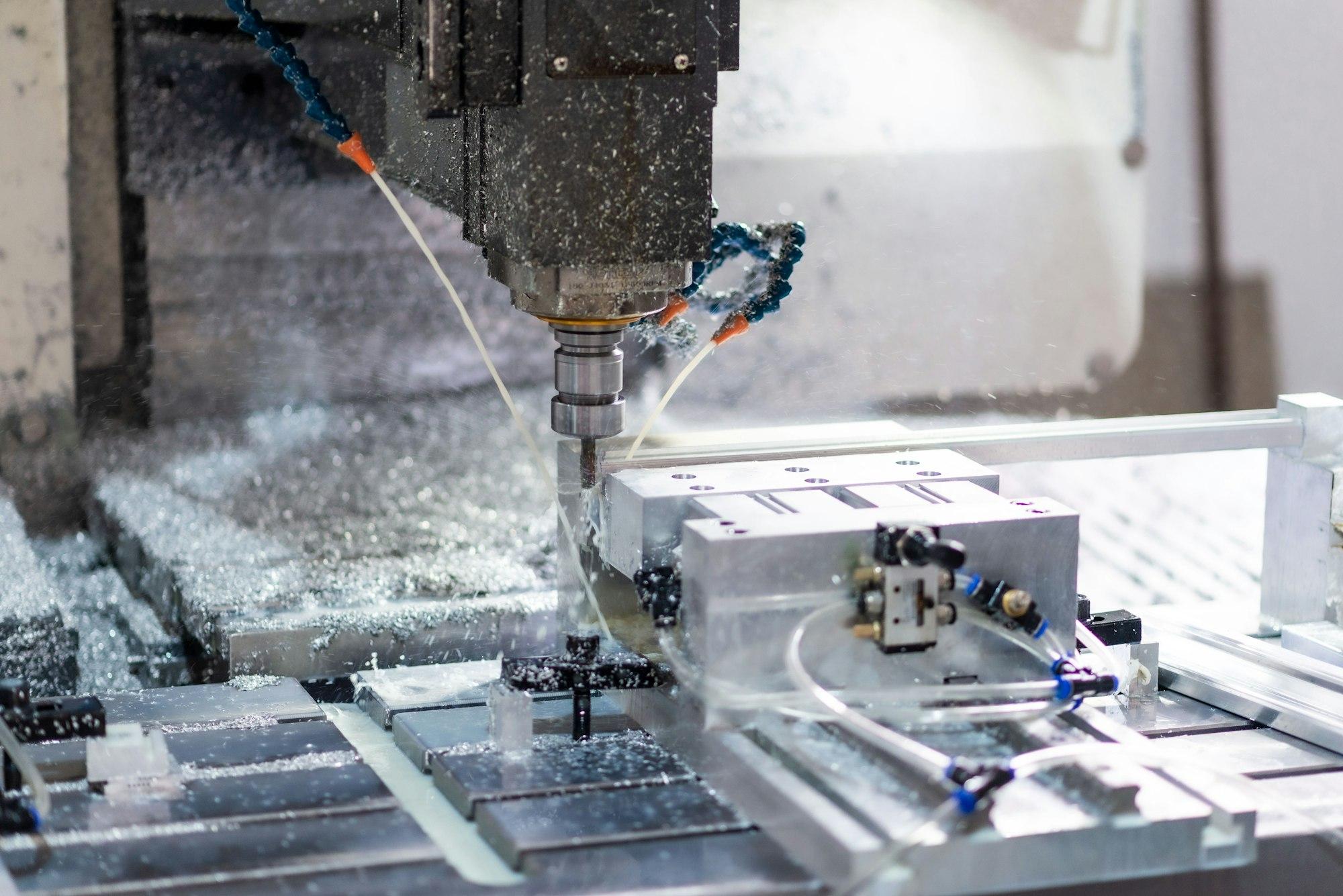
The cash in these businesses sits on the floor as raw material, work in process, finished goods, and the equipment between them. What most owners have never had is someone treating that as a capital structure problem rather than an operations one. The ceiling on the orders a shop can accept is usually not its capacity. It is how the equipment was financed and how much cash the inventory is quietly holding hostage.
That distinction matters because owners feel the ceiling on the floor and go looking for a fix on the floor, when the answer is on the balance sheet. Equipment financed on the terms the dealer offered, or inventory carried at a level nobody set on purpose, decides how much work a shop can take on long before its machines or its people do.
The second issue is the one that decides what the business is worth. A specialty manufacturer is specialized for a reason, and the reason is often a handful of deep, long relationships. That is what makes these businesses durable, and it is exactly what a buyer discounts. Three customers at sixty percent of revenue does not read as loyalty to them. It reads as risk they have to price, and often as a reason to walk.
What makes it hard
- A growth ceiling that is a financing problem experienced as an operations one
- Equipment financed on the dealer's terms rather than against real utilization
- Inventory carried at a level nobody set deliberately, holding cash hostage
- Customer concentration that reads as risk to every buyer and lender
- Input costs that move faster than contracts let prices follow
How we partner
We start on the balance sheet, because that is usually where the fastest cash is: restructuring equipment debt against how the machines are actually used, right-sizing inventory, and freeing the working capital the floor has been absorbing. Owners tend to find they had more room to grow than they thought, and that the ceiling moved without buying a thing.
On the concentration problem, the answer depends on the goal. If a sale is a few years out, we spend the runway diversifying revenue and de-risking the key relationships so the discount comes off. If growth is the aim, acquisition is often the cleaner route to new capacity, geography, or customers, and we run that process with you end to end.
We work alongside you, not from a binder, and where it fits we tie our fee to the result. We are not plant-floor engineers. We work on the business, not the line.
Who this is for
Manufacturers whose growth is constrained by working capital or equipment rather than by demand.
Owners considering acquisition as a route to capacity, geography, or customer diversification.
It is not a fit if you are looking for plant-floor engineering. We work on the business, not the line.