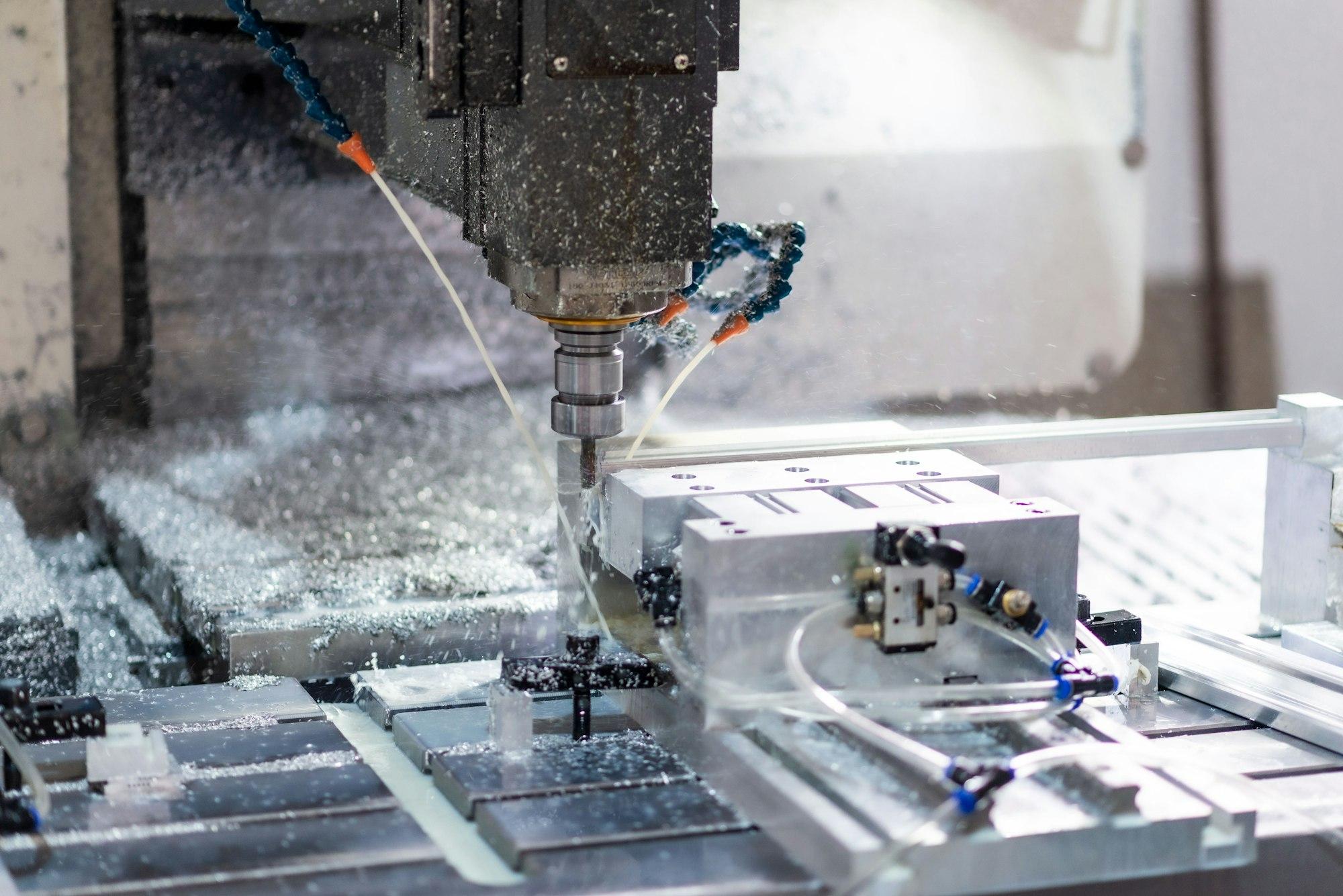
A single machine can cost more than a year of profit. What most shop owners have never measured is the number that justified buying it in the first place: real spindle utilization. The gap between the utilization assumed and the utilization actually run is where the money goes.
Spindle time is the asset; setup, changeover, and programming are the costs that eat it. Shops routinely buy another machine when the honest answer was to use the capacity they already own, and the new machine arrives on debt the dealer structured against a utilization rate nobody is tracking.
Long-cycle precision work ties up cash in work in process, and aerospace or defense qualification raises both the barriers and the terms. All of it rewards a shop that measures and finances deliberately, and punishes one that runs on instinct.
What makes it hard
- Real spindle utilization, the number that justified the machine, unmeasured
- Setup, changeover, and programming quietly eating purchased capacity
- Equipment debt structured by the dealer against a rate nobody tracks
- Long-cycle work tying up cash in work in process
- Aerospace and defense qualification raising both barriers and terms
How we partner
We start by measuring real spindle utilization and the true cost of setup, changeover, and programming, so the next capacity decision is made on data rather than a feeling. Often the machine that was about to be bought turns out to be capacity the shop already had.
Then we restructure the equipment debt against how the machines actually run and free the cash the work in process is holding. Where growth or a sale is the goal, we build from there. We work alongside you and, where it fits, tie our fee to the result.
Who this is for
Machine shops considering another machine before measuring the ones they own.
Owners whose equipment debt was structured by the equipment dealer.